

Alternative Proteins in Pet Food: Insect, Plant & Hydrolyzed
Explore insect, plant, and hydrolyzed proteins in dog and cat food, with formulation considerations for brands planning an OEM/ODM project.
Alternative Proteins in Pet Food: Insect, Plant-Based, and Hydrolyzed Proteins
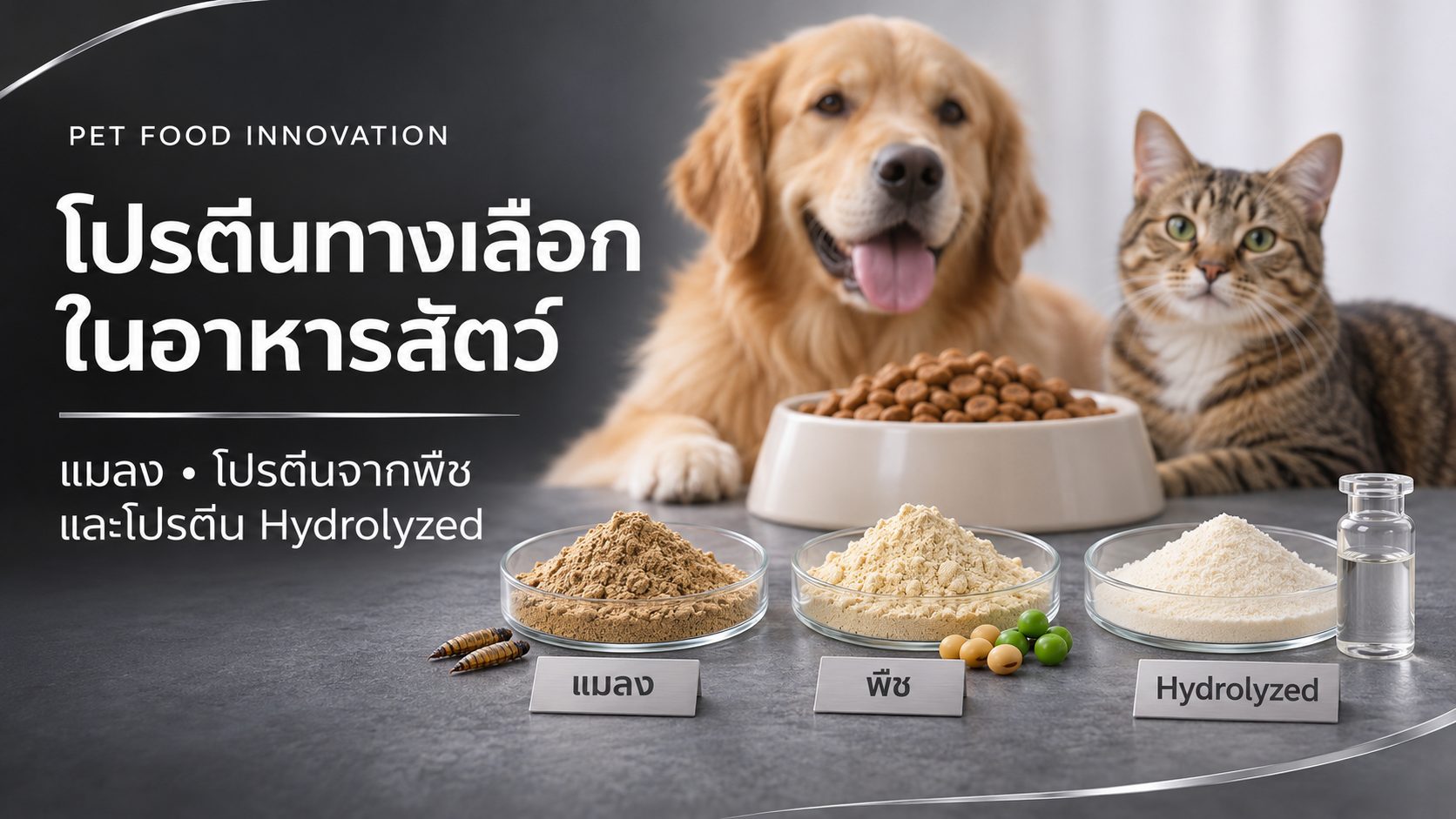
Dog and cat food development offers a growing range of ingredient options, including insect proteins, plant proteins, and proteins processed through hydrolysis. Each approach creates different opportunities for product positioning and formulation.
Choosing an alternative protein requires more than an appealing ingredient name or a high protein percentage. Suitability depends on protein quality, nutrient balance, digestibility, and the quality controls applied to the finished product.
For brands working with an OEM or ODM manufacturer, understanding these differences helps turn a product idea into a clear development brief.
Protein Sources and Processing Methods Are Different Concepts
“Insect protein” and “plant protein” describe where a protein comes from. “Hydrolyzed” describes a process that breaks protein into smaller components.
Hydrolyzed protein can therefore originate from an animal or plant source, such as chicken, fish, or soy. The categories can overlap, so brands should identify both the source and the processing method. Source: NC State Veterinary Hospital
1. Insect Protein: Another Option for Formulation
Insects farmed under controlled conditions can be processed into pet food ingredients. Black soldier fly larvae are one example. Ingredients may be supplied as protein meals or other processed forms, depending on the producer.
FEDIAF identifies insects as potential sources of protein and other nutrients. Their nutritional composition varies with the species, feeding substrate, and harvest stage, making ingredient-specific data important. Source: FEDIAF, Insect-Based Ingredients in Pet Food
For a development project, review:
- The insect species and traceable production source.
- Nutritional specifications and consistency between batches.
- Digestibility and safety information.
- Palatability at the proposed inclusion level.
- Permission to use the ingredient in the destination market.
Environmental claims also need evidence. Impacts depend on the farming system, insect feed, energy, and processing. Request supplier-specific data before presenting an insect ingredient as a lower-impact choice. Source: FEDIAF
2. Plant Protein: Assess Amino Acids and Digestibility Together
Plant proteins used in pet food include ingredients derived from soybeans, peas, and rice. These may be concentrated or isolated before inclusion in a formula.
Research shows that some plant protein ingredients can be well digested by dogs and cats. Results depend on the ingredient, processing, and overall diet. It is therefore inappropriate to assume all plant proteins have equal quality or are always less digestible than animal proteins. Source: Research on Protein Digestibility in Dogs and Cats
The formula must provide sufficient indispensable amino acids. Depending on the ingredient, this may require complementary protein sources or supplemental amino acids. Research on plant ingredients supports assessing amino acid composition alongside digestibility. Source: Study of Plant Protein By-Products for Canine and Feline Diets
Including a plant protein does not automatically make a food entirely plant-based. Review the complete ingredient list before making claims about the whole diet.
3. Hydrolyzed Protein: Focus on Processing and Intended Use
Hydrolysis breaks proteins into smaller fragments. Some diets use this approach for animals with adverse food reactions because smaller protein fragments can be harder for the immune system to recognize and react to. Source: NC State Veterinary Hospital
However, including a hydrolyzed ingredient does not automatically make every food suitable for diagnosing or managing food allergy. The source protein, extent of hydrolysis, other ingredients, and control of unintended proteins all matter.
Products intended for clinical use should be developed with veterinary and nutrition expertise and supported by appropriate evidence. Diets used in elimination trials require controls suited to that purpose. Source: NC State Veterinary Hospital
Comparing the Three Approaches
ApproachWhat it describesInformation to requestInsect proteinThe source of the proteinSpecies, manufacturing details, nutritional data, digestibility, and environmental evidence if relevant to claimsPlant proteinThe source of the proteinPlant species, ingredient form, amino acid data, and digestibilityHydrolyzed proteinHow the protein has been processedOriginal source, peptide-size or hydrolysis information, and quality controls appropriate to the intended useUse these distinctions to guide supplier discussions. Final selection requires assessment of both the ingredient and the finished food.
What Else Should Brands Assess in Dry Pet Food?
Nutritional completeness
For a complete diet, assess the full nutrient profile for the species and life stage, using the relevant reference framework, such as AAFCO or FEDIAF. The FEDIAF Nutritional Guidelines provide one reference for this assessment.
Kibble characteristics
Plan production trials to evaluate size, hardness, density, aroma, and food acceptance rather than relying on ingredient properties alone.
Total formula cost
Compare ingredient prices, inclusion rates, nutrient supplementation, trial production, and testing on an equivalent project scope.
Supply continuity
Review capacity, lead times, minimum orders, and procedures for changes in ingredient quality or sourcing.
Documentation and claims
Prepare specifications, analysis reports, and supporting evidence before approving label wording, particularly for allergy-related or environmental statements.
Preparing an OEM/ODM Development Brief
Start with who the product is for and what it aims to deliver. Useful information includes:
- Target species and life stage.
- Complete food or treat format.
- Ingredient preferences and intended positioning.
- Sales markets, retail price, and investment budget.
- Proposed claims and available supporting evidence.
Alternative protein development should connect a clear product objective with nutritional evidence, manufacturing feasibility, and accurate communication.
Discuss Your Pet Food Project with Petpal
Interested in dry dog or cat food using alternative proteins? Contact Petpal to discuss your concept, target customers, and destination markets, including ingredient sourcing feasibility, formulation, and the testing scope appropriate to your project.